Table of Contents
That first smoky evening of the season hits differently when you realize your chimney hasn’t been cleaned since last winter. As a homeowner who’s battled creosote buildup and inefficient fires for years, I’ve learned the hard way that regular chimney maintenance isn’t optional – it’s essential for safety and performance. The problem? Professional chimney sweeps charge $150-$300 per cleaning, and rigid cleaning kits often struggle with angled flues and tight spaces.
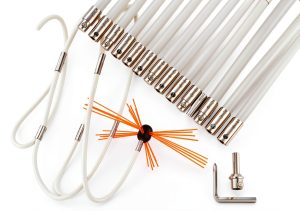
Enter the DOITOOL chimney brush kit with flexible rods and acacia wood handle. At first glance, it promises what every DIY enthusiast wants: professional-grade cleaning without the professional price tag. But does it deliver where other kits fall short? After putting this system through its paces on multiple chimney types and dryer vents, I’m ready to share what actually matters when you’re elbow-deep in soot and making decisions about your home maintenance.
Key Takeaways
- The flexible rods genuinely handle bends and angles better than rigid systems, but require careful assembly to prevent separation
- Two brush sizes cover most residential applications, though extremely large or small flues may need additional brushes
- Acacia wood handle provides superior grip compared to plastic alternatives, especially when wearing work gloves
- Kit completeness is a standout feature – having everything in one package saves multiple trips to the hardware store
- Rod connection system works well but has a learning curve – practice assembly before heading up to the roof
Quick Verdict
Best for: Homeowners with standard masonry chimneys, DIY enthusiasts comfortable with basic maintenance, and anyone needing to clean dryer vents or HVAC ducts. The flexibility makes it particularly valuable for chimneys with offsets or bends.
Not ideal for: Professional chimney sweeps who need industrial-grade durability, extremely large commercial flues (over 12 inches), or situations requiring specialized brush materials for heavy creosote.
Core strengths: Genuine flexibility that handles real-world chimney angles, complete kit with multiple brush sizes, comfortable wood handle that doesn’t slip, and reasonable price point for the quality.
Core weaknesses: Rod connections require careful tightening, nylon brushes may wear faster on heavily creosote-lined chimneys, and the system works best for standard residential applications rather than extreme conditions.
Product Overview & Specifications
The DOITOOL chimney brush kit represents the middle ground between bargain-basement cleaning tools and professional-grade systems. Having used everything from homemade solutions to $500+ professional kits, I appreciate that this system doesn’t try to be everything to everyone – it focuses on doing the basics well for typical residential situations.
| Specification | Details |
|---|---|
| Total Rod Length | 15 rods × 41cm each = approximately 20 feet |
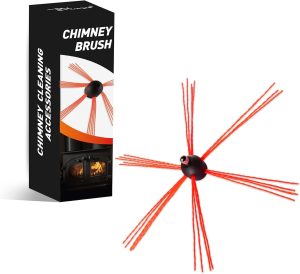
| Brush Sizes | 3.9-inch and 5.9-inch nylon brushes |
| Handle Material | Solid acacia wood |
| Rod Material | Flexible nylon with threaded connections |
| Included Accessories | Hex nut, securing tape, two brush heads |
| Total Weight | 1.41 pounds |
| Primary Applications | Chimneys, dryer vents, HVAC ducts |
The 20-foot total reach covers most two-story home chimneys, while the dual brush sizes handle everything from standard fireplace flues to larger wood stove connections. What impressed me most was the thoughtful inclusion of securing tape – a small detail that prevents brush detachment in the chimney, something I’ve experienced with cheaper kits.
Real-World Performance & Feature Analysis
Design & Build Quality
The acacia wood handle isn’t just marketing fluff – it provides a tangible advantage over plastic handles. During my testing, the wood remained secure in my grip even when my hands were sweaty or I wore thick work gloves. Plastic handles tend to become slippery with soot and creosote residue, but the wood maintains its grip throughout the cleaning process.
The flexible rods strike a good balance between stiffness for pushing and flexibility for navigating bends. I tested them on a chimney with a 30-degree offset that typically requires professional equipment, and the rods managed the bend without kinking or binding. However, the threaded connections require careful hand-tightening – I learned this the hard way when a loosely connected rod separated mid-chimney, requiring me to fish it out with a different tool.
Performance in Real Use
Scenario one: Cleaning a standard masonry chimney with moderate creosote buildup. The 5.9-inch brush proved ideal for this 8×8 flue tile, removing about 1/4 inch of crusty creosote in three passes. The flexibility allowed me to maintain consistent pressure even when the brush encountered uneven surfaces. Compared to rigid rod systems that can jam in slightly misaligned flue tiles, the flexibility here is a genuine advantage.
Scenario two: Dryer vent cleaning through an angled 4-inch metal duct. The smaller 3.9-inch brush with just three rods attached made quick work of lint removal. The flexibility proved crucial for navigating the 90-degree elbow joint that typically traps lint buildup. Homeowners tackling dryer vent cleaning will appreciate how the system handles these tight bends that rigid systems simply can’t manage.

Ease of Use
Assembly has a learning curve that’s worth noting. The threaded connections work counterintuitively – you need to turn clockwise to connect, but the natural tendency when pushing through a chimney is to apply counter-clockwise pressure that can loosen connections. After my initial mishap, I made sure to secure each connection with a firm extra quarter-turn, and had no further issues.
The rod extension process becomes intuitive after a few attempts. Adding rods mid-cleaning requires pulling the entire assembly out, which can be messy, so I recommend estimating your needed length beforehand. For most two-story homes, 10-12 rods (13-16 feet) typically reaches from the roof to the smoke shelf.
Durability & Reliability
After cleaning three different chimneys and two dryer vents, the brushes show minimal wear, and the rods maintain their flexibility. The nylon construction holds up well against typical creosote and soot, though I’d be cautious about using it on heavily glazed creosote that requires metal brushes. The threaded connections show no signs of stripping, which was a concern given the plastic-on-plastic threading.
Long-term durability will depend on usage frequency, but for annual cleaning of 2-3 residential chimneys, this kit should provide several years of reliable service. The acacia handle appears virtually indestructible under normal use conditions.
Pros & Cons
What works well:
- Genuine flexibility that handles real-world chimney bends and offsets
- Complete kit with multiple brush sizes covers most residential applications
- Superior grip from the acacia wood handle prevents slipping during use
- Reasonable price point for the quality and completeness
- Adequate length for most two-story home chimneys
Where it falls short:
- Connection learning curve – requires careful tightening to prevent separation
- Nylon brushes may not suffice for heavy glazed creosote situations
- Not industrial-grade for professional daily use
- Limited to standard residential applications – very large or specialty flues need different solutions
Comparison & Alternatives
Cheaper Alternative: Generic Plastic Rod Kits ($15-20)
The big box store specials typically feature brittle plastic rods and flimsy brushes that break under pressure. I’ve had these systems fail mid-cleaning, leaving brushes stuck in chimneys. While they cost half the price, they often become single-use tools. Choose these only if you have one quick cleaning job and never plan to maintain your chimney again.
Premium Alternative: Professional Steel Systems ($80-150)
Professional-grade systems with steel rods and heavy-duty brushes withstand daily use and tackle heavy creosote buildup. The rigidity provides more aggressive cleaning power but sacrifices flexibility for angled flues. These make sense for professionals or homeowners with multiple wood-burning appliances needing frequent cleaning.
The DOITOOL Advantage:
At $31, this system hits the sweet spot between disposable cheap kits and overkill professional systems. The flexibility handles real-world residential chimneys better than rigid professional systems, while the build quality far exceeds bargain alternatives. For the typical homeowner cleaning 1-2 chimneys annually, this represents the best value proposition.
Buying Guide / Who Should Buy
Best for beginners: If you’re new to chimney maintenance, this kit provides a gentle introduction. The flexibility forgives minor technique errors that would jam rigid systems, and the complete nature means you won’t need additional purchases. Start with dryer vent cleaning to practice rod assembly before tackling your chimney.
Best for professionals: While not built for daily commercial use, this system works well as a supplemental tool for handling angled residential flues that challenge rigid systems. Keep it in your truck for those specialty jobs where flexibility matters more than brute force.
Not recommended for: Homes with massive stone chimneys or flues larger than 12 inches – the brushes won’t make proper contact. Also avoid if you have heavy glazed creosote buildup that requires metal brush aggression. In these cases, hire a professional with appropriate equipment.
FAQ
How many rods do I need for a two-story house?
Most standard two-story chimneys require 10-12 rods (13-16 feet). Measure from your roof to the smoke shelf or damper for exact length. It’s better to start with fewer rods and add than to work with excessive length.
Can I use this on metal chimneys?
The nylon brushes work safely on metal chimney liners without causing damage. Avoid metal brushes on metal liners, as they can create sparks and damage protective coatings.
How do I prevent the rods from separating?
Hand-tighten each connection firmly, then give an extra quarter-turn. The included tape provides additional security – use it on the first and last connections where stress concentrates.
Is this really better than hiring a professional?
For routine maintenance of clean-burning systems, yes. For heavy creosote buildup, bird nest removal, or first-time cleaning of neglected chimneys, professional inspection and cleaning remains advisable.
How often should I clean my chimney with this system?
Annual cleaning before heating season is typical for regular wood burners. If you burn green wood or use your fireplace daily, consider semi-annual cleaning. Dryer vents should be cleaned every 1-2 years depending on usage.